
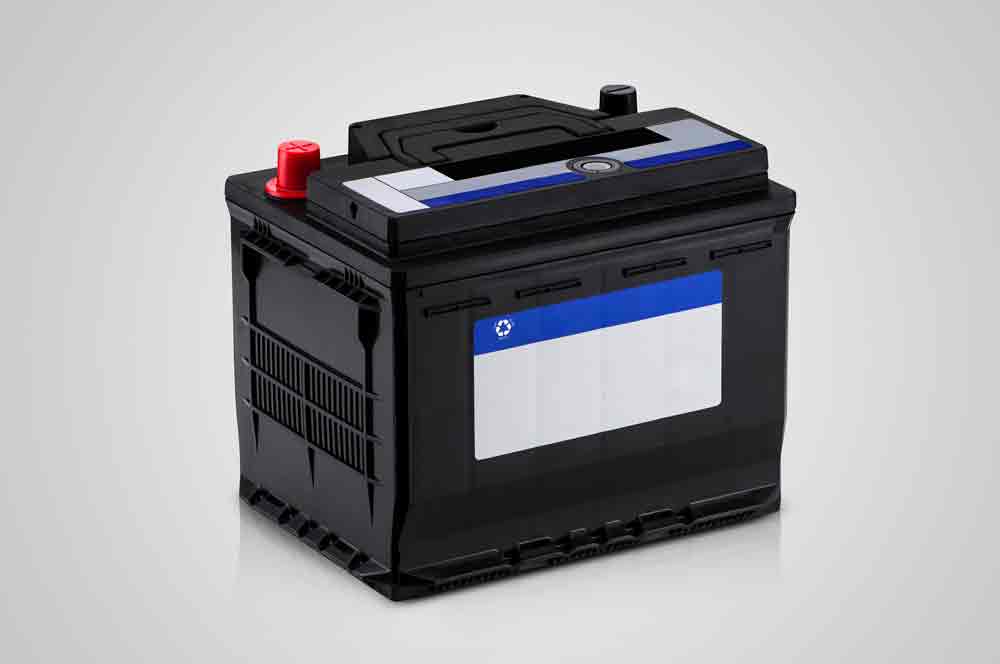
Lead-acid batteries are a popular type of rechargeable battery that have been used for decades. They are widely employed in various applications, ranging from automotive and marine industries to telecommunications and uninterruptible power supplies (UPS). In this comprehensive guide, we will explore the functionality, working principle, types, and advantages of lead-acid batteries.
Lead-acid batteries operate based on a simple chemical reaction between lead and sulphuric acid. The battery consists of two electrodes, a positive electrode (known as the anode) and a negative electrode (known as the cathode). These electrodes are immersed in an electrolyte solution of sulphuric acid.
When the battery discharges, the sulphuric acid reacts with the lead in the positive electrode, resulting in the release of electrons. This process generates electrical energy that can be used to power various devices. As the battery discharges further, the sulphuric acid migrates to the negative electrode and reacts with the lead, creating lead sulphate and water.
During the charging process, the chemical reaction is reversed. An external source of electricity is applied to the battery, causing the lead sulphate to convert back into lead and sulphuric acid. This restores the battery’s capacity and allows it to be reused.
Lead-acid batteries find applications in various industries and sectors:
Automotive: Lead-acid batteries are extensively used in automobiles, providing the necessary power to start the engine and operate the vehicle’s electrical systems.
Telecommunications: Lead-acid batteries are crucial for providing backup power to telecommunication systems, ensuring uninterrupted communication during power outages.
Renewable Energy: Lead-acid batteries play a vital role in storing energy generated from renewable sources such as solar and wind, allowing for a continuous power supply.
Industrial: Lead-acid batteries are used in industries forklifts, emergency lighting, uninterrupted power supplies, and backup power systems.